
A free seasonal guide from Elite Window Furnishings
Canberra summers are dry, bright and hot in the afternoons, with UV that climbs higher than most people expect. Then the evenings cool off quickly. Those cool evenings are useful: with the right coverings and well-timed ventilation, you can keep the house noticeably cooler.
It matters because the glass is usually where the heat gets in. The Australian Government’s Your Home guide notes that windows can account for up to 87 per cent of a home’s heat gain in summer. This guide walks through how to prepare your windows for summer in Canberra, step by step, starting with the ones that cause the most trouble.
Step 1: Find the Windows That Do the Damage
Not every window needs the same treatment. Before you buy anything, walk around the house on a sunny afternoon and note which rooms get hot first.
- West-facing windows are usually the worst. They take the low, harsh afternoon sun at the hottest time of day, and it shines almost straight through the glass.
- North-facing windows get plenty of sun, but in summer it’s high in the sky. A modest eave or awning can shade them well.
- East-facing windows catch the morning sun. They can make bedrooms bright and warm early, but the heat is gentler.
- South-facing windows get little direct sun and rarely need much summer protection.
Start with the west-facing living areas and bedrooms. That’s where most of the gain is.
Step 2: Stop the Heat Outside the Glass
The most effective way to keep a room cool is to stop the sun before it reaches the window. Once sunlight passes through the glass, most of its heat is already inside, even if a blind is closed behind it.
- Folding arm awnings extend out from the wall and suit north-facing windows, decks and patios. They retract when you want the winter sun back.
- Straight drop awnings hang vertically and work well on west-facing windows, where the sun is low.
- Zip screen awnings and outdoor blinds run in side channels, so they stay put in wind and can enclose an alfresco area on a hot afternoon.
- Motorised awnings can be opened and closed at the right time of day, even when nobody is home.
If you only do one thing for a hot west-facing room, external shading is usually it.
Step 3: Choose Inside Coverings for Summer
Inside coverings do the next layer of work, controlling glare and slowing the heat that does get through.
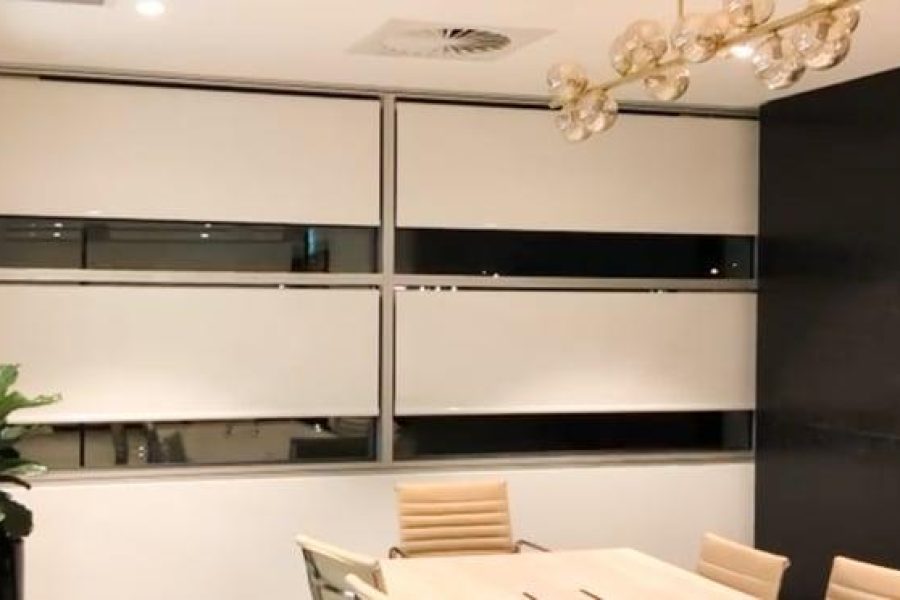
- Sunscreen roller blinds cut glare and UV while keeping the view, which suits living areas and home offices.
- Blockout roller blinds keep bedrooms dark and noticeably cooler on summer mornings.
- Honeycomb (cellular) blinds trap air in their pockets, which slows heat moving through the window in both summer and winter.
- Plantation shutters let you angle the louvres to block direct sun but still let air and some light through.
- Lined curtains that sit close to the window and reach the floor help keep the heat behind them.
Lighter colours facing the glass reflect more heat than dark ones. For many rooms, the best result comes from layering, such as a sunscreen blind with a lined curtain, so you can adjust the room through the day.
Step 4: Time Your Ventilation
Canberra’s cool nights are one of your best tools for cooling the house.
- Close up by mid-morning on hot days. Shut windows and lower blinds and awnings before the heat builds, especially on the west side.
- Open up in the evening once it’s cooler outside than in. Open windows on opposite sides of the house to get air moving through.
- Use screens so you can leave windows open overnight without letting insects in. Security screens let you do this safely on the ground floor.
Motorised blinds and awnings make this easier to stick to, because they can follow a schedule.
Step 5: Low-Cost Steps for This Summer
- Close blinds and curtains on west-facing rooms before you leave for work.
- Check that existing blinds still close fully and sit flush in the window recess.
- Add security screens so you can leave windows open at night.
- Move furniture and rugs out of direct afternoon sun to cut fading.
- Draw curtains fully across the window rather than leaving a gap at the side.
Step 6: Upgrades That Pay Off Over Several Summers
- External awnings or outdoor blinds on west and north-facing glass.
- Honeycomb blinds or lined curtains in rooms that are hot in summer and cold in winter.
- Motorised blinds and awnings, so shading happens at the right time every day.
- Security screens on doors and windows you’d like to leave open at night.
Inside coverings such as honeycomb blinds and lined curtains keep working through winter too, helping hold warmth in on frosty nights. Awnings retract, so you get the winter sun back.
A Note on Bushfire Season
The ACT bushfire season runs from 1 October to the end of March. If your home is in a bushfire-prone area and you’re adding screens, check your property’s Bushfire Attack Level first, as it decides what rating the screens need. Our security doors page covers the screen range.
Your Summer Window Checklist
- Note which rooms get hot first on a sunny afternoon.
- Prioritise west-facing living areas and bedrooms.
- Add external shading where the afternoon sun hits the glass.
- Choose inside coverings for each room: sunscreen, blockout, honeycomb, shutters or lined curtains.
- Close up by mid-morning on hot days, and open up in the cool of the evening.
- Add security screens so you can leave windows open at night.
- If you’re in a bushfire-prone area, confirm your BAL before buying screens.
Need a Hand?
Elite Window Furnishings has fitted out more than 5,000 Canberra homes. Founded in 2018 and backed by 10 years of experience in the field. Every product we sell is custom made and installed by our own team. If you’d like advice for your own home, book a free in-home measure and quote. We’ll look at which windows take the most sun and suggest options to suit each room and your budget.